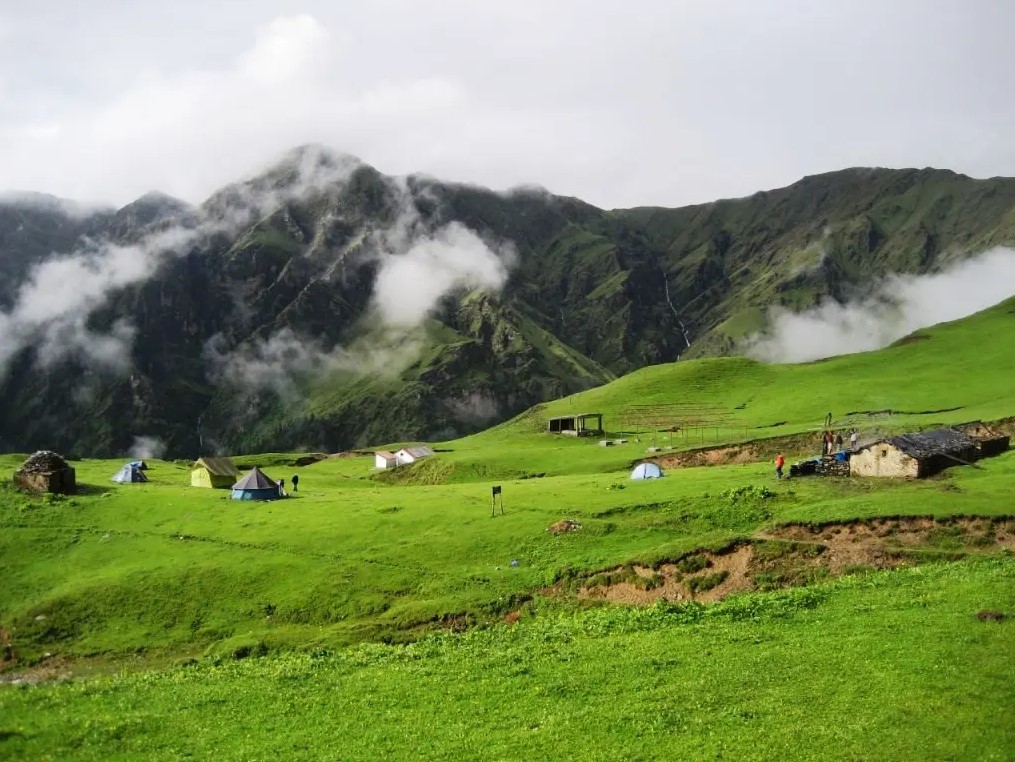
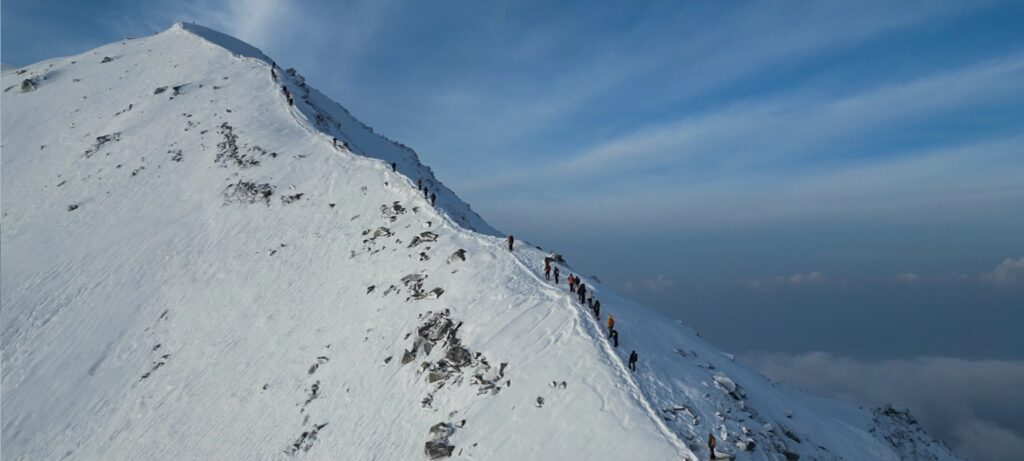
Three in the morning, somewhere above Khullara campsite, and the author’s headlamp is the only warm thing for a mile. Boots crunch on frozen scree. Someone up ahead swears, quietly, at a ridge that keeps pretending to be the summit and isn’t. That’s Pangarchulla on summit day – not glamorous, just relentless, and then suddenly, gloriously, over.
If you’ve landed here after typing “how difficult is Pangarchulla trek” into a search bar at midnight, you’re probably weighing this against a handful of other Uttarakhand treks too. Fair enough. Here’s the honest breakdown, question by question.
So, How Hard Is Pangarchulla, Really?
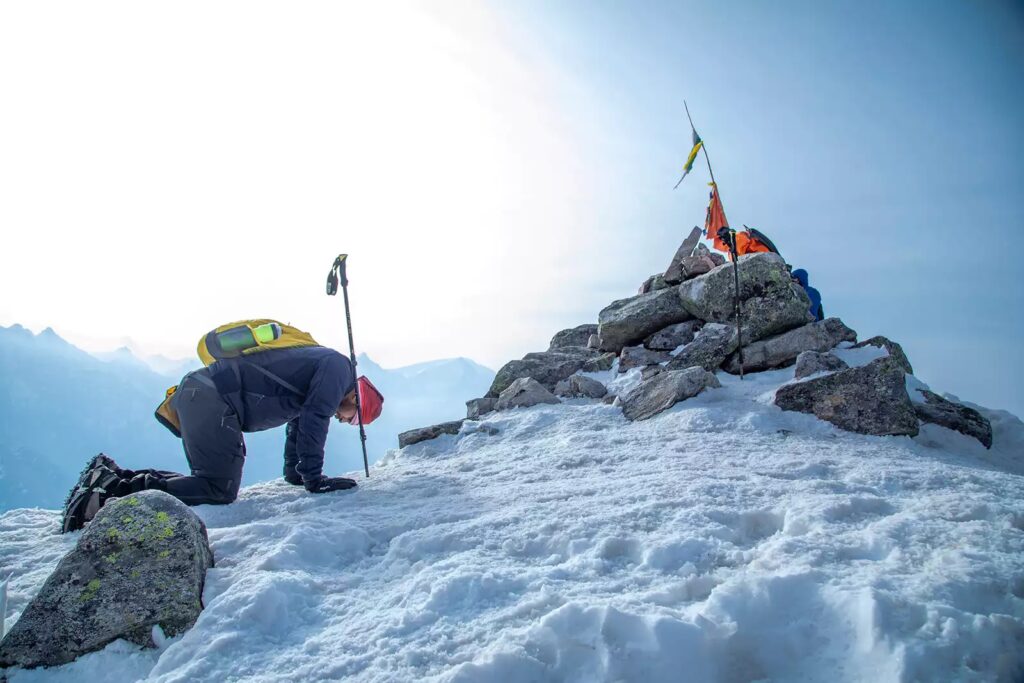
Moderate to difficult. That’s the consensus among trek operators, and it holds up on the ground. The first three days – walking up through oak and rhododendron forest to Gulling and then Khullara – are genuinely pleasant. Nothing technical. Then summit day arrives, and everything changes.
You’re up at midnight or earlier. The push to the 15,069-ft summit runs 10 to 12 hours round trip, over boulder fields, narrow ridges, and snow that demands microspikes in spring. It isn’t technical mountaineering. But it is long, cold, and unforgiving of poor fitness. Reckon on needing at least two prior Himalayan treks under your belt before attempting it.
Pangarchulla vs Kuari Pass: Which One Should You Choose?

Depends entirely on what you want. Kuari Pass tops out around 12,500 ft, follows the historic Curzon Trail, and is graded easy to moderate – genuinely beginner-friendly, gentle gradients throughout. Pangarchulla shares the same trail up to Khullara, then breaks off toward a proper summit push above 15,000 ft.
Here’s the kicker: most trekkers who’ve done both agree that Pangarchulla is basically Kuari Pass with a hard final exam tacked on. New to high-altitude trekking? Stick with Kuari Pass. Already comfortable above 12,000 ft and craving something that’ll test you? Pangarchulla’s the one. A lot of operators run them back to back over six or seven days, which is worth considering if you’re making the long drive from Rishikesh anyway.
What’s the Hardest Trek in Uttarakhand?
That title doesn’t belong to Pangarchulla, mind you. Uttarakhand’s true monsters are things like Kalindi Khal, Bali Pass, Auden’s Col, and Traill’s Pass – routes involving glacier crossings, knife-edge ridges, and days without any real trail at all. Pangarchulla sits a notch below these, in the “difficult but non-technical” bracket alongside treks like Kedartal.
Where Pangarchulla earns its reputation is accessibility combined with a genuine summit. You get an actual high-altitude peak-climbing experience – something rare among treks – without needing rope-and-harness skills. That combination is unusual enough that it often gets mentioned in the same breath as India’s toughest trails, even though the technical demands are lower.
What Does Pangarchulla Actually Cost?
Budget somewhere between roughly ₹9,000 and ₹16,000 for a standard package, depending on the operator, group size, and what’s included. Most packages cover permits, meals, camping, and a trek leader; transport from Rishikesh or Dehradun is often billed separately and can add a fair bit given the 250-plus km drive to Joshimath each way.
Expect extra costs too – offloading your rucksack onto a mule typically runs about ₹300 per bag per day, and personal gear like microspikes or trekking poles, if you don’t already own them, adds up quick. Worth budgeting an extra couple thousand rupees beyond the base package price.
Can a Beginner Handle the Tungnath Trek?
Yes. Genuinely, unreservedly yes. Tungnath is one of the gentlest high-altitude treks in India – a well-paved 3.5 km climb from Chopta to the world’s highest Shiva temple, doable in two to three hours by most people with average fitness. Families do it. So do senior citizens, on a good day.
Push on another 1.5 km to Chandrashila summit and things get noticeably steeper, but it’s still manageable for a reasonably fit beginner with a bit of patience. Compare that to Pangarchulla’s 10-hour summit slog and you’ll see why Tungnath gets recommended as a first Himalayan trek so often.
Is the Roopkund Trek Banned in 2026?
Not officially, but functionally, yes – and this trips a lot of people up. There’s no law naming Roopkund specifically. What exists is a 2018 Uttarakhand High Court order banning overnight camping on alpine meadows, or bugyals, anywhere in the state. Roopkund’s classic route runs straight through Ali Bugyal and Bedni Bugyal, two of the most iconic meadows in the Himalayas, and camping there just isn’t legal anymore.
Most major operators quietly stopped running the classic itinerary. Some newer routes now base trekkers in villages like Didna and Wan instead of the meadows, which sidesteps the ban but changes the trek considerably – more distance, different rhythm, no meadow camps under the stars. If the meadow experience is what draws you, this isn’t quite that trek anymore.
So What Is the Toughest Trek in India?
Depends how you define toughest. For pure technical difficulty, Kalindi Khal and Sin La involve glacier travel and rope work that most trekkers will never attempt. For sustained physical grind, Chadar Trek in Ladakh – walking on a frozen river for days in sub-zero cold – ranks brutally high. Stok Kangri, when it’s operating, adds serious altitude to the mix at over 20,000 ft.
Pangarchulla doesn’t crack that top tier. But it’s a solid answer to “what’s the hardest trek I can do without technical mountaineering training,” which is really the question most people are actually asking.
Is the Chandrashila Trek Risky?
Not particularly, under normal conditions. The climb from Tungnath to Chandrashila’s 13,123-ft summit is short – about 1.5 km – but genuinely steep near the top, with real wind exposure on the ridge. In spring and autumn, it’s a manageable push for most fit beginners.
Winter changes the calculus. Snow-covered steps, sub-zero temperatures, and strong summit winds turn an easy-to-moderate outing into something closer to moderate-to-difficult. Layer properly, start early, and it stays safe. Skip the layering and you’ll regret it fast – that ridge doesn’t forgive underdressing.
How Do You Get a Permit for Pangarchulla?
Most trekkers never touch the paperwork directly. Standard packages from operators like Indiahikes, Bikat Adventures, or Trek The Himalayas bundle the forest department permit into the trek cost, arranged as part of registration at Joshimath. You’ll typically need a government photo ID and, depending on the operator, a basic medical fitness certificate.
Trekking independently without a registered operator is possible in theory but rarely worth the hassle – permits are checked at forest range offices along the route, and going it alone means navigating that bureaucracy solo, in a language and system that isn’t always tourist-friendly. For a first attempt, a licensed operator is the simpler path.
Pangarchulla rewards preparation more than heroics. Get two or three moderate treks behind you first, respect the summit-day distance, and it delivers one of the best non-technical high-altitude experiences the Garhwal Himalayas have to offer. Skip the prep, and that midnight ridge walk will make you regret every skipped training run.
Travel Writer | Founder of Welcome Uttarakhand
Amit Negi has been exploring Uttarakhand’s temples, trekking routes, hill stations, and hidden villages for several years. Through Welcome Uttarakhand, he shares practical travel guides, local insights, and itinerary tips to help visitors plan memorable trips across the state.