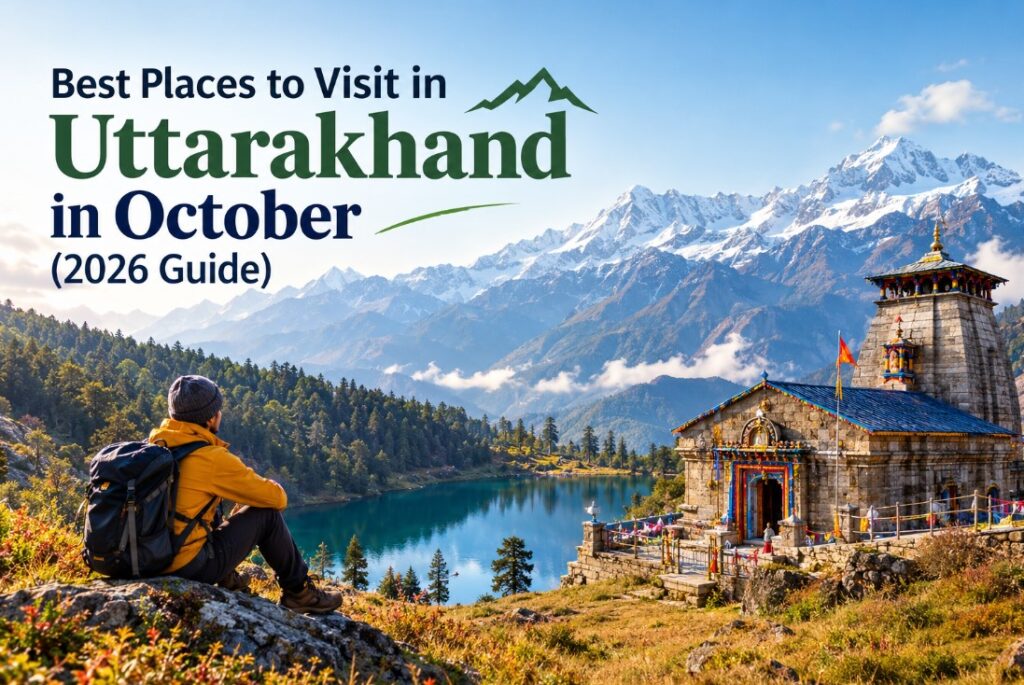
Kedarnath shuts its doors around November 11 this year. Badrinath follows a couple of days later, on a date the temple committee won’t even confirm until Vijayadashami on October 20. That’s the kind of deadline that changes how a person plans a Uttarakhand trip – and it’s exactly why October turns into the state’s quiet rush month, sitting right between the last of the monsoon and the first hard freeze.
Anyone typing “best places to visit in Uttarakhand in October” into Google is usually trying to solve one of two problems: catch the Char Dham Yatra before it closes, or find a hill station with clean air, clear peaks and none of the May-June crowd. Good news – October delivers on both, provided a traveler knows which zones, which trails and which temples are actually open that month, because not everything is. (Valley of Flowers, for one, is on its way out for the year – more on that below.)
This guide breaks down where to go, what the weather really does, and how to build a week around it, drawing on Welcome Uttarakhand’s own researched guides to Jim Corbett, the Valley of Flowers, Dayara Bugyal, Har Ki Dun and several of the state’s temples, plus official tourism and forest department sources for anything time-sensitive.
What Actually Happens to Uttarakhand’s Weather in October
Short version: it splits into two different months stitched together.
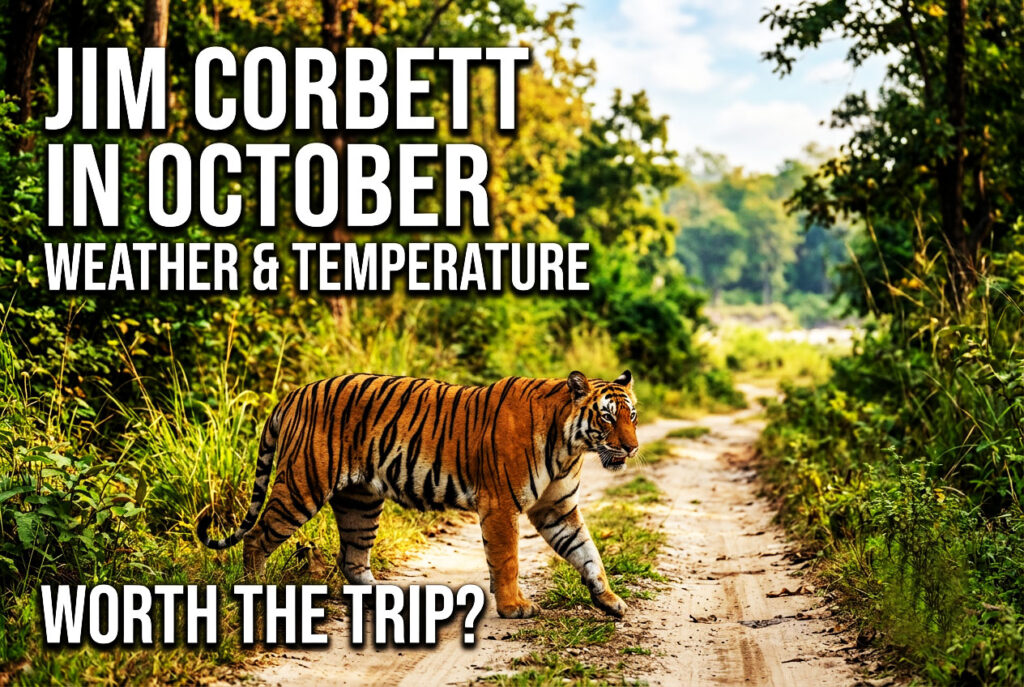
The first half still carries monsoon leftovers – humidity, the odd shower, soggy trail patches in the lower hills. Welcome Uttarakhand’s own Jim Corbett in October guide documents this split clearly for the Kumaon foothills: rain tapering off but not gone, mornings still a little heavy. By the third week, that changes fast. Skies clear, air turns crisp, and the state starts looking like the postcards – golden meadows, sharp mountain outlines, the kind of visibility that just isn’t there in July.
Altitude matters more than the calendar does, though. A useful way to think about it: three different Octobers happening at once, depending on where you’re standing.
| Region / Elevation band | Typical October daytime | Typical October night | Source |
| Foothills & wildlife belt (Jim Corbett, Rishikesh, Haridwar) | 24–32°C | 14–20°C | Welcome Uttarakhand – Jim Corbett in October |
| Mid-hills (Nainital, Mussoorie, Kausani) | 19–22°C | 9–13°C | Hotels.com climate data, Nainital; Jaypee Hotels – Mussoorie weather |
| High-altitude treks & temples (Chopta, Kartik Swami, Dayara Bugyal) | 12–15°C | Around 2°C, colder at exposed ridgelines | Welcome Uttarakhand – Dayara Bugyal Trek Guide |
| Char Dham altitude (Kedarnath, Badrinath) | 5–20°C | Can fall to -3°C by late October | Discover With Dheeraj – Char Dham Yatra October 2026 guide |
Worth being honest here: none of these are lab-precise numbers. Mountain weather shifts by the hour, and a cold front can undercut any of these ranges without much warning – the way it did in early October 2025, when an unseasonal cold spell dropped snow on the Char Dham shrines almost two weeks ahead of the usual schedule, according to regional weather reporting at the time. Treat the table as a packing guide, not a forecast, and check conditions closer to travel.
Best Places to Visit in Uttarakhand in October
Here’s the actual list – grouped roughly by what kind of trip someone’s after, since “best places to visit in Uttarakhand in October” means something different to a trekker than it does to a family chasing a lake-town weekend.
1. Chopta, Tungnath and Deoria Tal – the last clear window before the passes close
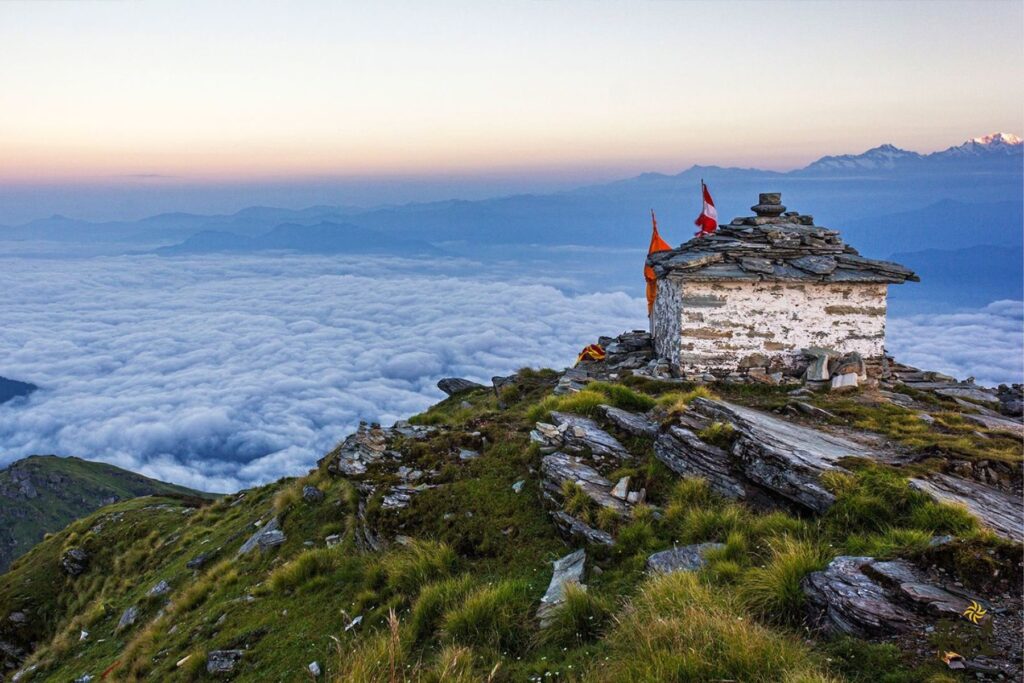
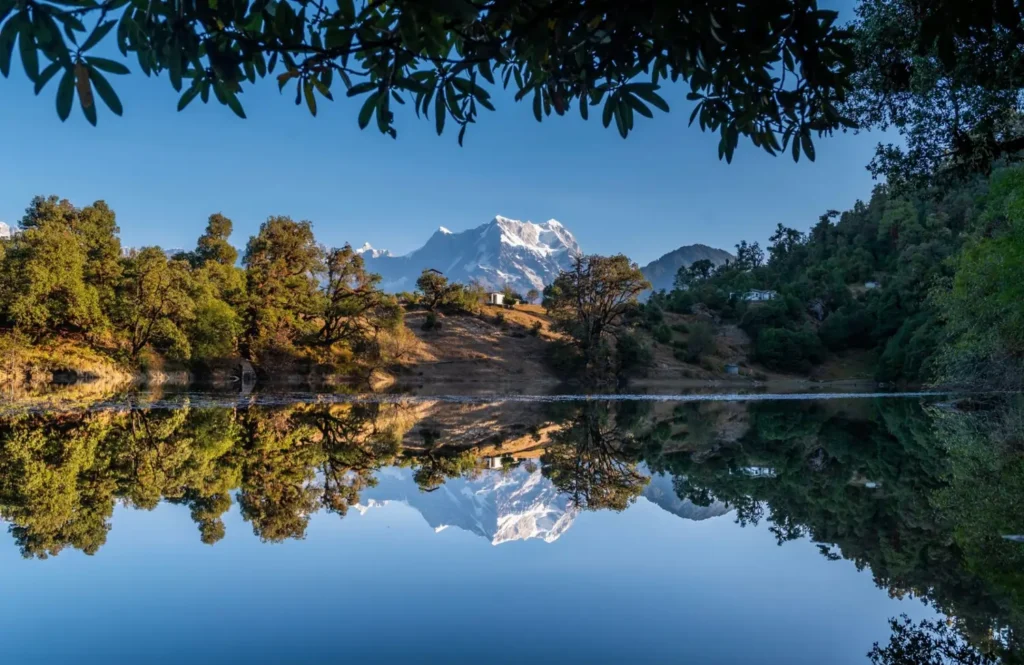
Chopta sits at around 2,900 metres, and October is arguably its best month full stop. The monsoon leeches have gone, the rhododendron forest is dry underfoot again, and the Tungnath–Chandrashila climb – the highest Shiva temple in the world, followed by a ridge walk to a 360-degree Himalayan panorama – is doable without a raincoat for once. Deoria Tal, the lake that mirrors Chaukhamba on a still morning, is an easy add-on nearby. Snow can start dusting the higher reaches by late October or November, so the earlier in the month a trip lands, the more margin there is.
2. Kartik Swami Temple – six Himalayan peaks, almost no crowd
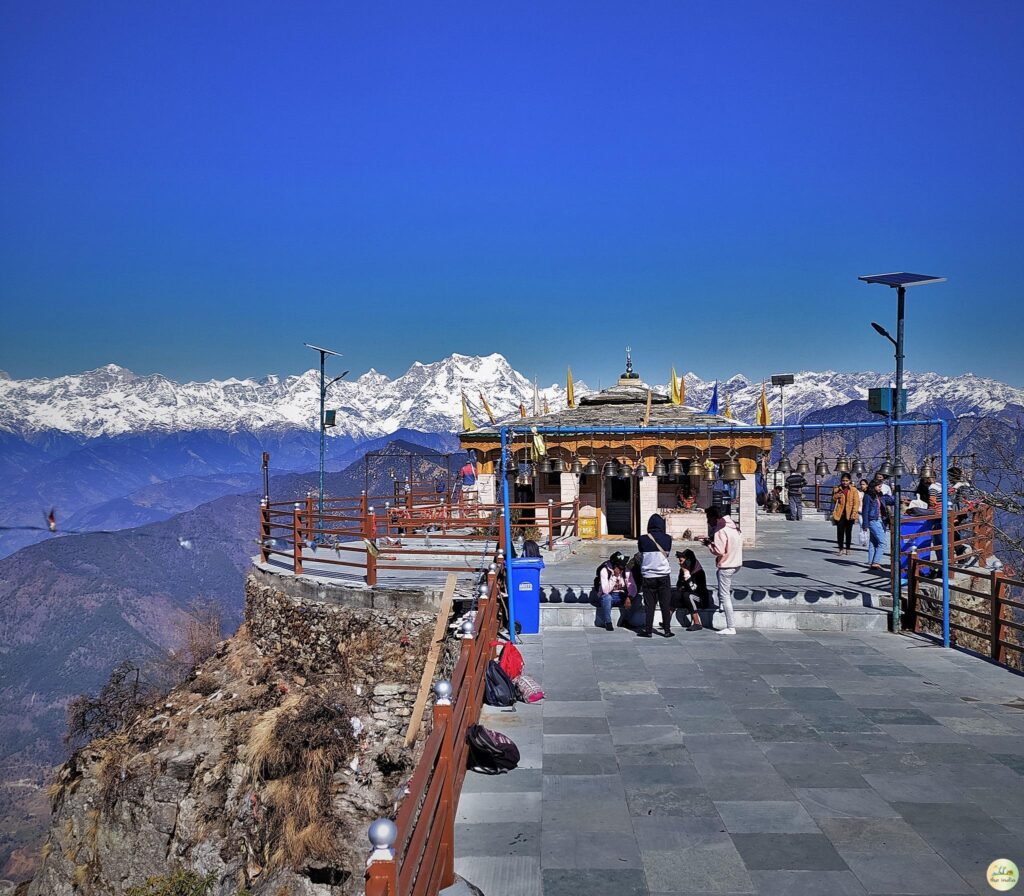
Welcome Uttarakhand’s guide to Kartik Swami Temple singles out October specifically, and for good reason: clear skies, crisp air, and post-monsoon green still on the hillsides around Kanakchauri. The trek itself is short – about 3 km one way, roughly 1.5 to 2 hours – ending at a temple with no idol, just a stone believed to hold Lord Kartikeya’s remains, and a courtyard view that takes in Nanda Devi, Chaukhamba, Trishul, Bandarpunch, Neelkanth and the Kedarnath Dome without moving your feet. Kartik Purnima, the temple’s biggest annual event, often lands in this October–November window too, so it’s worth checking the date before booking if a quieter visit is the goal. Anyone weighing up the climb first should read Is Kartik Swami Temple Trek Difficult? – it breaks down the stone steps and route in more detail than most trip-planning blogs bother to.
3. Dayara Bugyal – the golden-meadow version of the trek
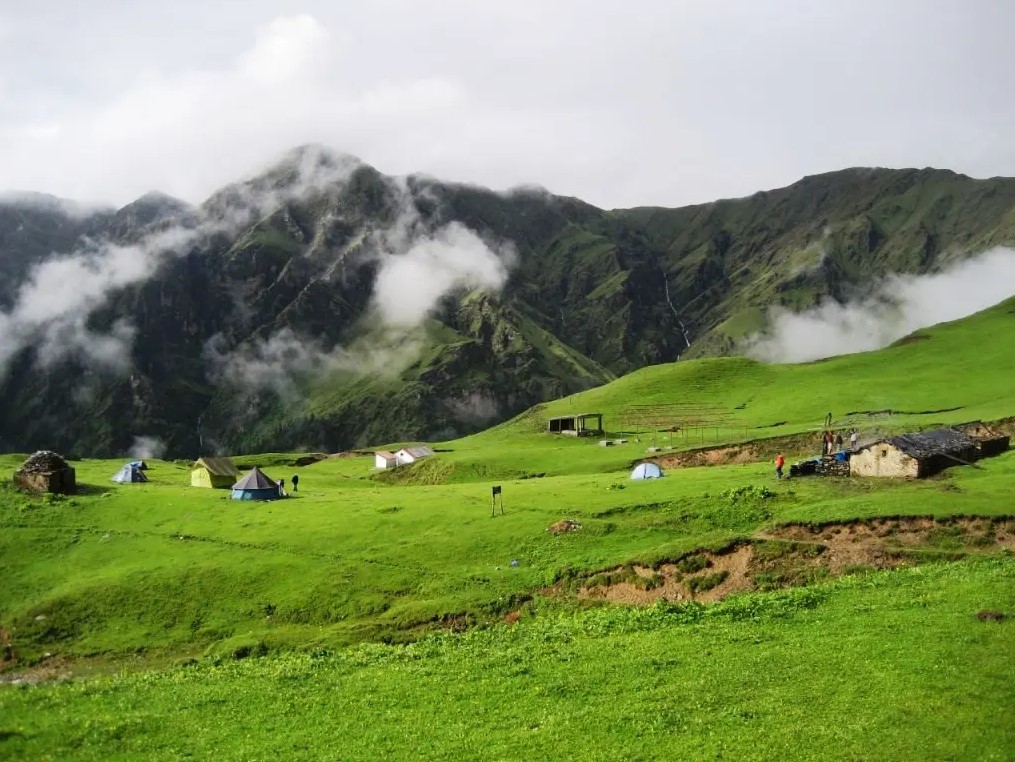
According to Welcome Uttarakhand’s Dayara Bugyal Trek Guide, autumn – mid-September through November – brings the clearest skies of the year here, with daytime temperatures around 12–15°C, night temperatures dropping to roughly 2°C, and maple trees turning red against a meadow that’s gone from summer green to autumn gold. This is a beginner-friendly high-altitude trek, rated among the least risky among treks crossing 11,000 feet, which makes it a genuinely good pick for someone who wants big Himalayan views (Bandarpoonch, the Gangotri peaks) without a technical climb attached.
4. Har Ki Dun – solitude over crowds
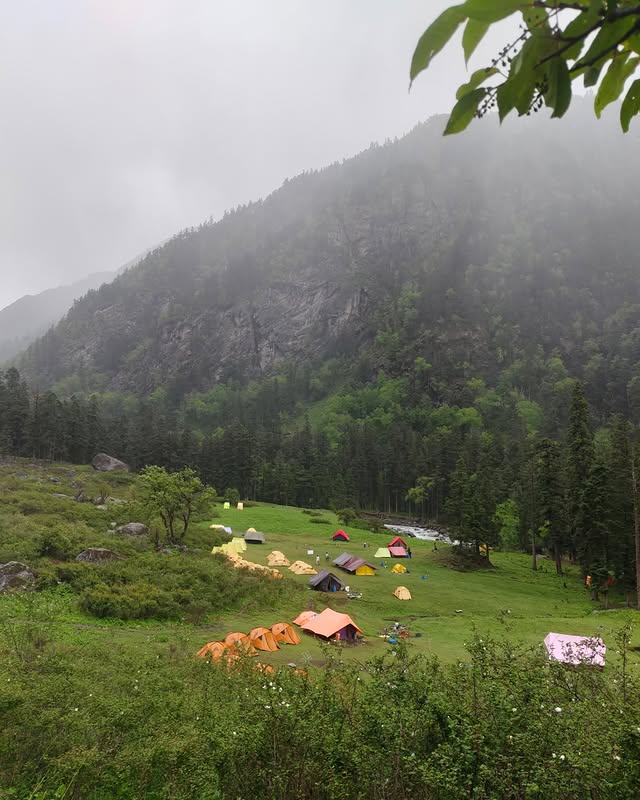
Har Ki Dun stays open nearly seven months a year, and per Welcome Uttarakhand’s Har Ki Dun Trek guide, the September–November stretch is the one to pick if quiet matters more than warmth: daytime highs of 8–10°C, nights dipping to freezing or below, but noticeably fewer trekkers on the trail than the March–June rush. Wooden houses on stilts in Osla and Gangad, Someshwar Devta temples that still follow their own seasonal rules, and Swargarohini rising almost vertically from the valley floor – this is a trek where the culture along the way earns as much attention as the destination.
5. Auli – green slopes and a working ropeway, minus the ski crowd
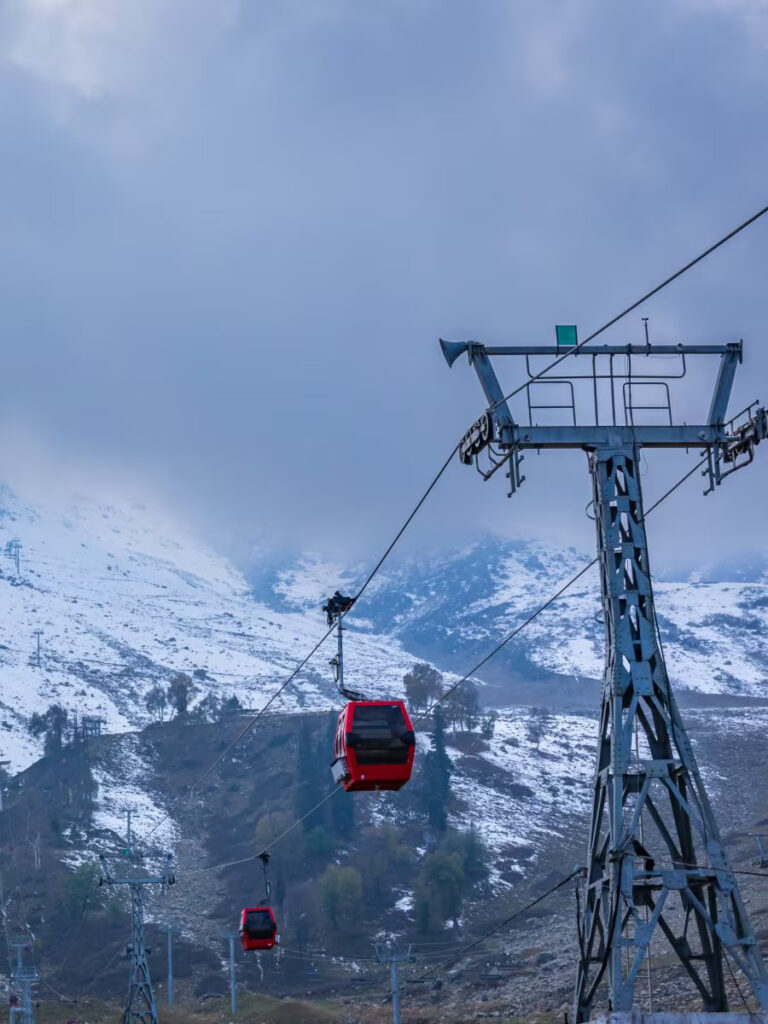
Auli in October is a strange in-between: the ski season hasn’t started (that’s a December-through-March story), but the monsoon rain has mostly stopped, leaving the slopes green rather than snow-white. It’s a genuinely underrated month for this reason – the Joshimath–Auli ropeway runs without the queues that build up in peak winter, and short treks like the one to Gurso Bugyal are at their most comfortable. Anyone chasing snow specifically should hold off until December; anyone chasing clear photography light and thin crowds should book October.
6. Nainital and the Kumaon lakes – festival season on the water
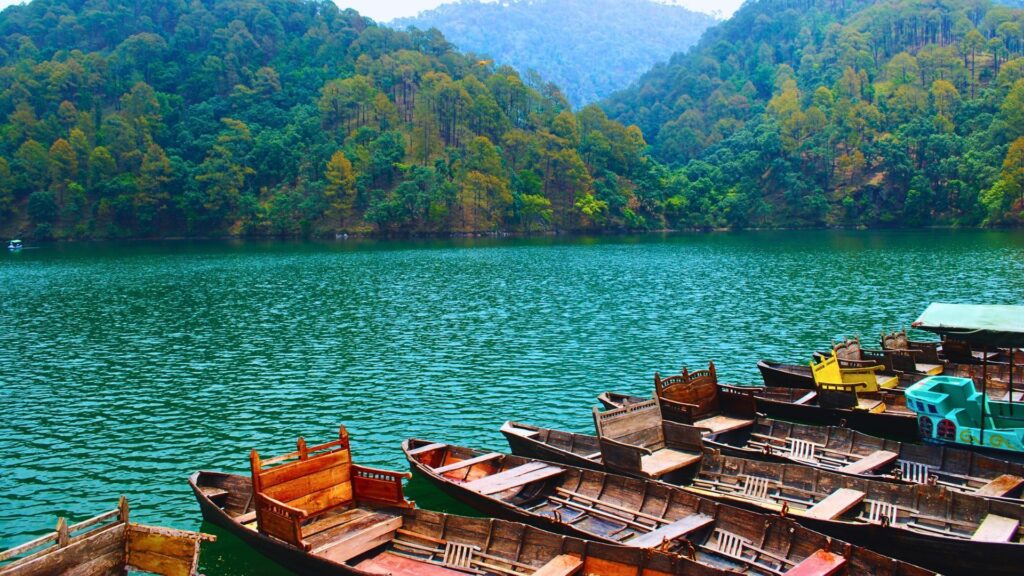
Nainital in October carries an average high of around 22°C and a low near 13°C, per climate data compiled by hotel booking platforms, with sunny days replacing the monsoon’s grey ones. It’s also when two of the town’s bigger local events – Sharadotsav and Nainital Mahotsav – typically run, bringing folk performances and craft stalls to what’s usually a fairly sedate lake town. Bhimtal and Sattal nearby are quieter alternatives for the same clear-water, clear-sky combination, without Nainital’s Mall Road crowds.
7. Mussoorie – clarity without the peak-season squeeze
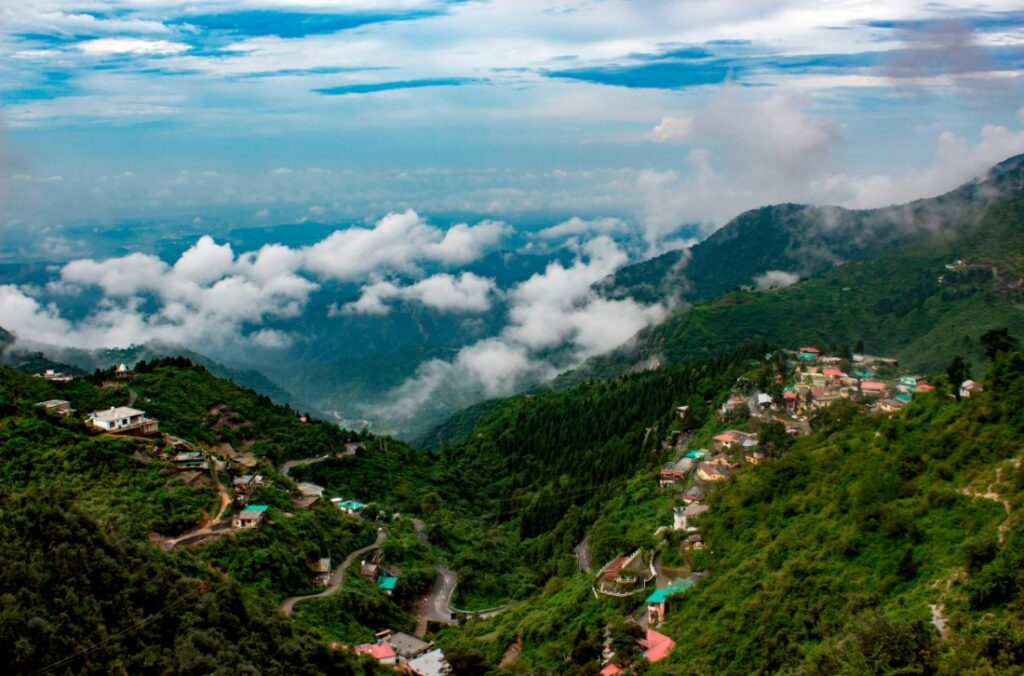
The “Queen of Hills” earns that nickname properly in October: post-monsoon skies mean the Himalayan range is actually visible from Lal Tibba and Gun Hill, something that’s hit-or-miss in the hazier summer months. Days stay comfortably cool, nights start turning genuinely cold by month’s end, and Mall Road’s shops and cafés run at a manageable pace rather than the summer-holiday crush.
8. Kausani and Binsar – panoramic Himalaya views off the main circuit
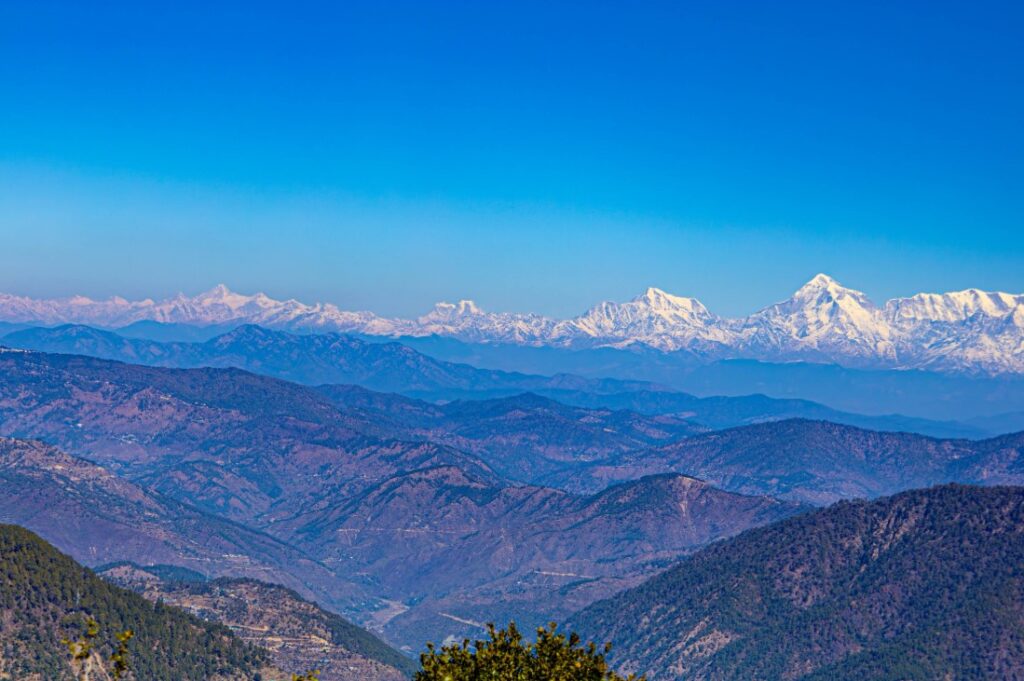
Kausani, perched on a ridge with the Trishul, Nanda Devi and Panchachuli peaks visible on a clear day, is one of the most underrated October picks in this list – fewer tourists than Nainital or Mussoorie, similar payoff in mountain views. Binsar, a short drive further into the Kumaon hills, adds a wildlife sanctuary and oak forest walks to the same clear-air formula. Both work well as a slower, quieter add-on to a Nainital-based trip rather than a standalone destination.
9. Rishikesh – the last comfortable month for river rafting
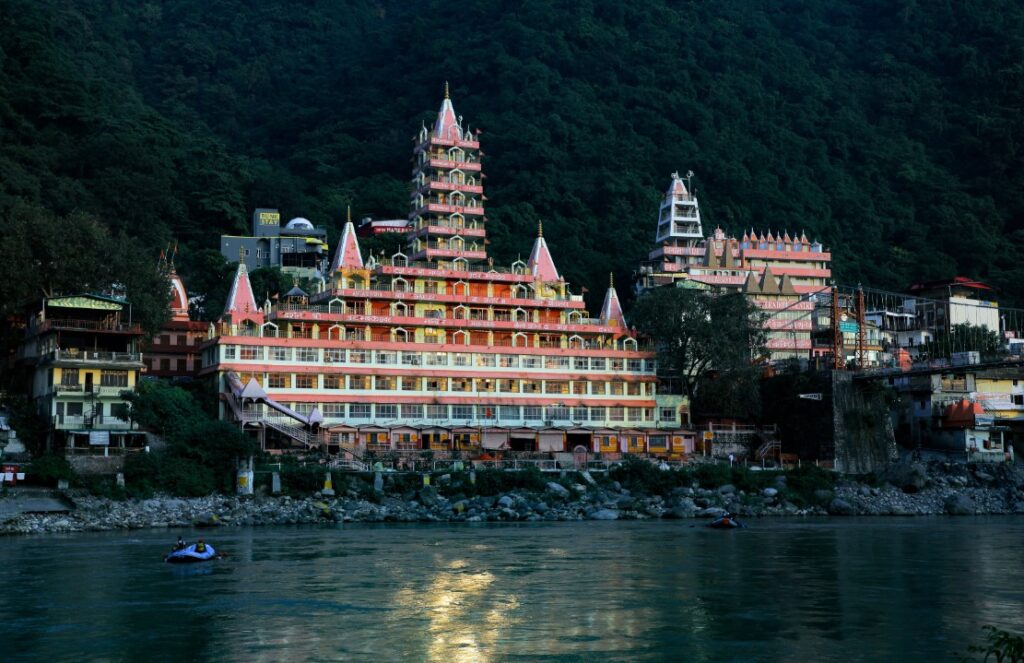
October is genuinely one of the better rafting windows on the Ganga at Rishikesh: the monsoon flood has passed, water levels have settled, and the weather’s warm enough that a dunk in the river isn’t miserable. Add yoga retreats, riverside camping, and the evening Ganga Aarti at Triveni Ghat or Parmarth Niketan, and Rishikesh covers both the adventure-travel and spiritual-travel crowd in one stop.
10. Jim Corbett National Park – reopening zone by zone
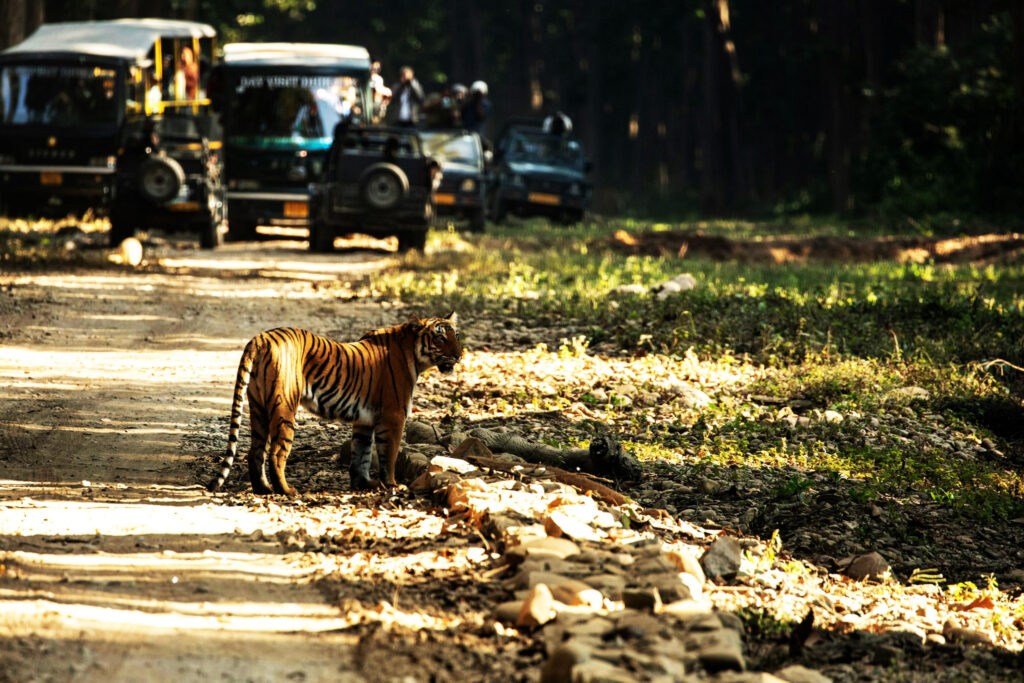
Corbett doesn’t open all at once, and this trips up a lot of first-time planners. Per Welcome Uttarakhand’s dedicated Jim Corbett in October guide, Jhirna and Dhela zones run year-round, Bijrani and Garjiya typically reopen around October 15, and Dhikala – the zone with the strongest tiger-sighting reputation – stays shut until mid-November regardless of how good the weather looks. The upside of visiting in October anyway: fewer crowds than the November–February peak, greener forest cover fresh off the monsoon, and lower hotel and safari rates. Book a trip for the back half of the month for access to four zones instead of two.
11. Katarmal Sun Temple – a sunrise worth planning around
This one’s a genuine hidden pick. India’s second-oldest sun temple, tucked in the Kumaon hills near Almora, has a specific quirk: Welcome Uttarakhand’s guide notes that twice a year – late February and late October – the first light of sunrise climbs directly over the temple in a way that draws photographers and history buffs specifically for that window. For anyone building an October Kumaon itinerary around Nainital or Kausani, this is an easy detour with a payoff most visitors never hear about.
12. Bageshwar and Baijnath – the Katyuri-era temple circuit
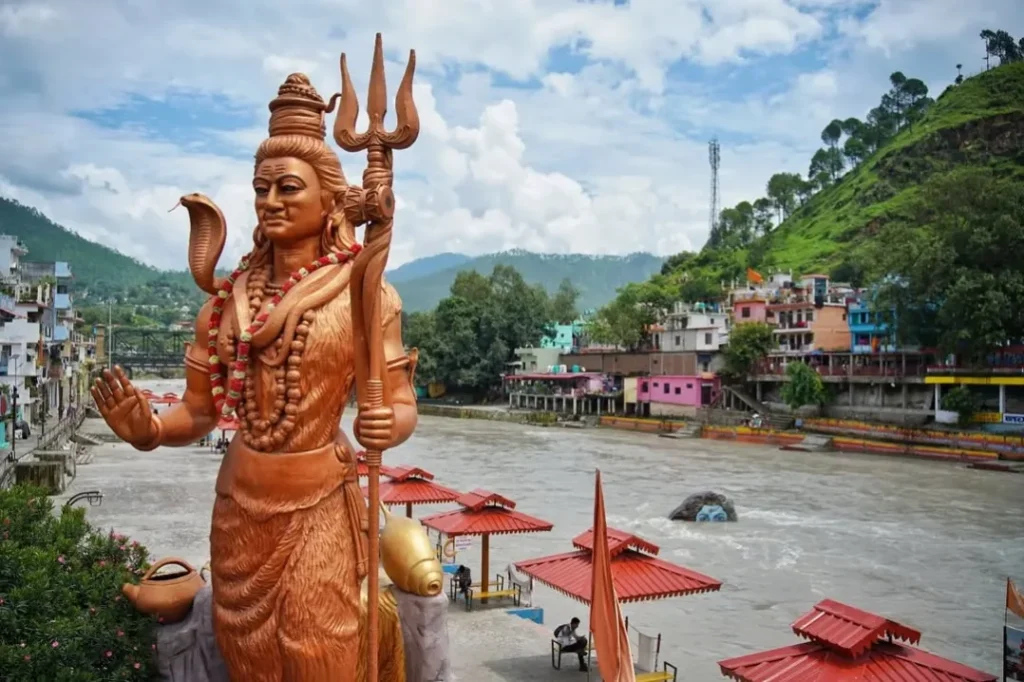
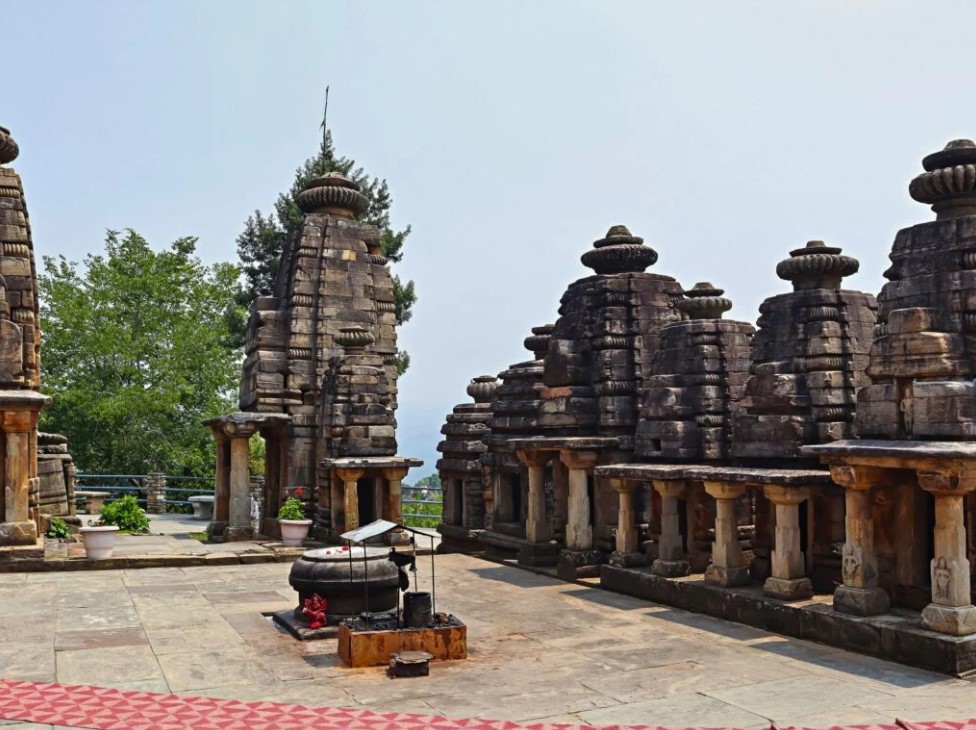
Two riverside temple towns worth combining if the itinerary already runs through Kumaon. Bageshwar sits at the confluence of the Sarayu and Gomati rivers, home to the Bagnath Temple; Baijnath, a short drive away on the Gomti River, has eighteen stone shrines from the Katyuri dynasty clustered on the riverbank, with no ticket counter and none of the crowd that Char Dham towns pull in. October’s dry trails and clear light suit both – no monsoon mud, no summer heat.
13. The tail end of Char Dham Yatra – thinner crowds, a harder deadline
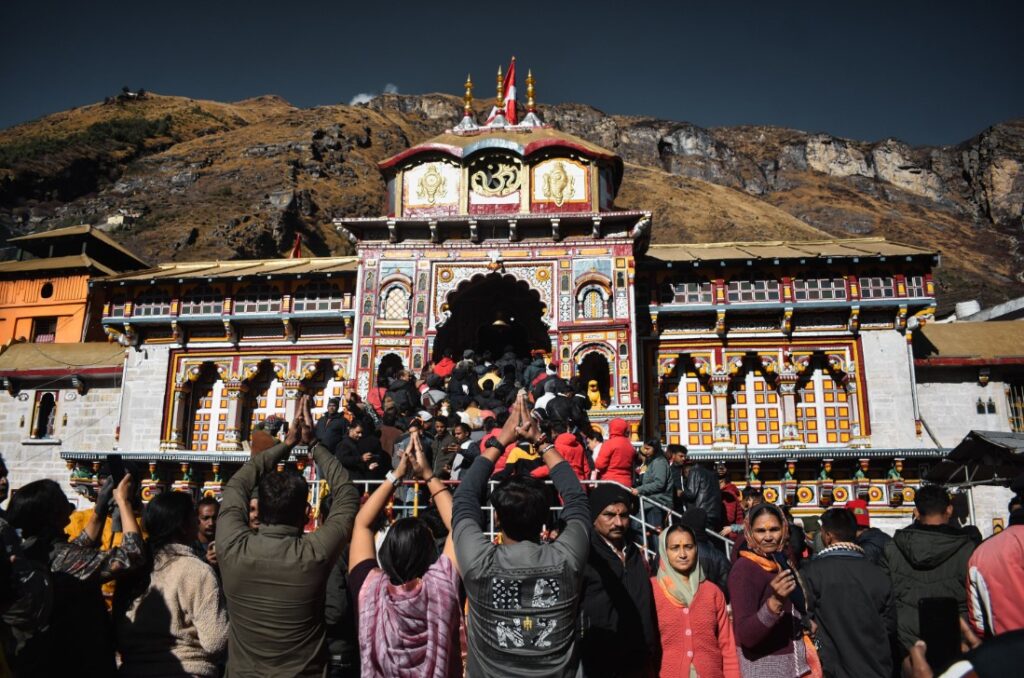
October is when Char Dham numbers thin out noticeably compared to the May–June rush, and pilgrims who prefer a calmer darshan tend to time it here on purpose. The trade-off is a real deadline: based on 2026’s tentative schedule, Gangotri and Yamunotri are expected to close around November 10–11, Kedarnath around November 11, and Badrinath around November 13 – though the exact Badrinath and Kedarnath dates aren’t locked in until Vijayadashami, October 20, 2026. Once Kedarnath closes for winter, the deity moves to its seasonal home at Omkareshwar Temple in Ukhimath – worth a visit in its own right, and a good add-on for anyone doing the Yatra late in the season who wants to understand where the tradition goes once the high-altitude temple shuts its doors.
One Place That’s Not Worth an October Trip: Valley of Flowers
Honest flag here, because most “best places in October” lists skip this detail. The Valley of Flowers National Park runs June 1 to October 31 each season, but per Welcome Uttarakhand’s own best-time-to-visit guide, October is the park’s last month open for a reason – the wildflowers have mostly faded to gold by then, and the first snowfall of the season often arrives right before closing. If flowers are the actual goal, mid-July to mid-August is the window; October travelers get thinner crowds and clear peak views, but not the bloom the park is famous for. Worth knowing before booking a trek around the wrong month.
A Realistic 7-Day October Itinerary
One way to string a handful of these together without burning every day on the road:
| Day | Route | Focus |
| 1 | Dehradun → Mussoorie | Acclimatize, Mall Road, sunset at Lal Tibba |
| 2 | Mussoorie → Rishikesh | Rafting, Ganga Aarti in the evening |
| 3–4 | Rishikesh → Rudraprayag → Kanakchauri | Kartik Swami sunrise trek |
| 5 | Kanakchauri → Chopta | Tungnath–Chandrashila climb, Deoria Tal |
| 6 | Chopta → Kausani (via Karnaprayag/Almora) | Panoramic Himalaya views, Katarmal Sun Temple detour |
| 7 | Kausani → Nainital → Dehradun | Naini Lake, departure |
Swap in Jim Corbett instead of the Chopta leg for a wildlife-first version, or Auli instead of Kausani for a trek-heavier one. The core logic stays the same: hit the high-altitude spots earlier in the month, before the last-week chill sets in properly.
What to Pack for Uttarakhand in October
Layering does most of the work here, since the gap between a 25°C afternoon and a near-freezing night can show up on the same day at altitude.
- Light cottons for daytime, one proper warm layer (fleece or down) for mornings, evenings and any high-altitude stop
- A light rain shell if traveling in the first half of the month, when leftover monsoon showers are still possible
- Sturdy, broken-in trekking shoes – trails around Kartik Swami, Dayara Bugyal and Chopta get slippery on stone or after rain
- A torch or headlamp for temple towns and forest lodges, where evening lighting can be minimal
- Basic altitude-sickness awareness gear (nothing exotic – water, a slower pace above 3,000 metres, and knowing the symptoms) for anything above Chopta or Kedarnath altitude
- Sunscreen and sunglasses – October skies are clear, and UV exposure at altitude is easy to underestimate
Frequently Asked Questions
Is October a good month to visit Uttarakhand?
Yes, generally – it’s one of the better months of the year, with post-monsoon clarity, cooler temperatures, and thinner crowds than the March–June peak season. The trade-off is a narrowing window for high-altitude spots and the Char Dham Yatra, both of which start closing for winter by mid-November.
Is October too late for the Char Dham Yatra?
Not for most of the month. Based on 2026’s tentative dates, the temples stay open into the second week of November, so early-to-mid October still leaves comfortable time. The exact Kedarnath and Badrinath closing dates are only confirmed on Vijayadashami (October 20, 2026), so it’s worth checking closer to travel rather than booking around an assumed date.
Can you see snow in Uttarakhand in October?
Not usually, and not reliably. Snow at high-altitude spots like Auli, Kedarnath or Dayara Bugyal typically starts in late November or December, though early cold snaps have occasionally brought unseasonal snowfall to the higher Char Dham shrines in past years. October is better thought of as the golden-meadow month, not the snow month.
Which place is best for a family trip to Uttarakhand in October?
Nainital and Mussoorie are the easiest family picks – mild weather, short travel distances between sights, and no high-altitude trekking required. Jim Corbett after October 15 is also a strong family option, since Bijrani zone reopens and safari crowds are lighter than peak winter season.
Is Valley of Flowers open in October?
Technically yes, until October 31, but it’s the least rewarding month to go. The flowers have largely faded by then, and the park is only days away from closing for the season under its first snowfall.
How This Guide Was Researched
This is a researched, aggregated travel guide rather than a first-hand trip report. Weather and temperature figures were cross-checked against Welcome Uttarakhand’s own in-depth guides to Jim Corbett, Dayara Bugyal, Har Ki Dun and the Valley of Flowers, alongside official tourism and forest department scheduling information, established regional trekking and travel operators, and recent 2026 Char Dham Yatra scheduling coverage. Where sources disagreed – particularly on exact closing dates that aren’t finalized until Vijayadashami – that uncertainty is flagged directly rather than resolved with a guessed number.

Travel Writer | Founder of Welcome Uttarakhand
Amit Negi has been exploring Uttarakhand’s temples, trekking routes, hill stations, and hidden villages for several years. Through Welcome Uttarakhand, he shares practical travel guides, local insights, and itinerary tips to help visitors plan memorable trips across the state.